Why Sourdough
Sourdough is far more than just artisanal bread; it is an ancient method of breadmaking that relies on wild fermentation rather than commercial, isolated yeast strains. The process transforms wheat into a richer, more digestible product.
Why Sourdough Is Special
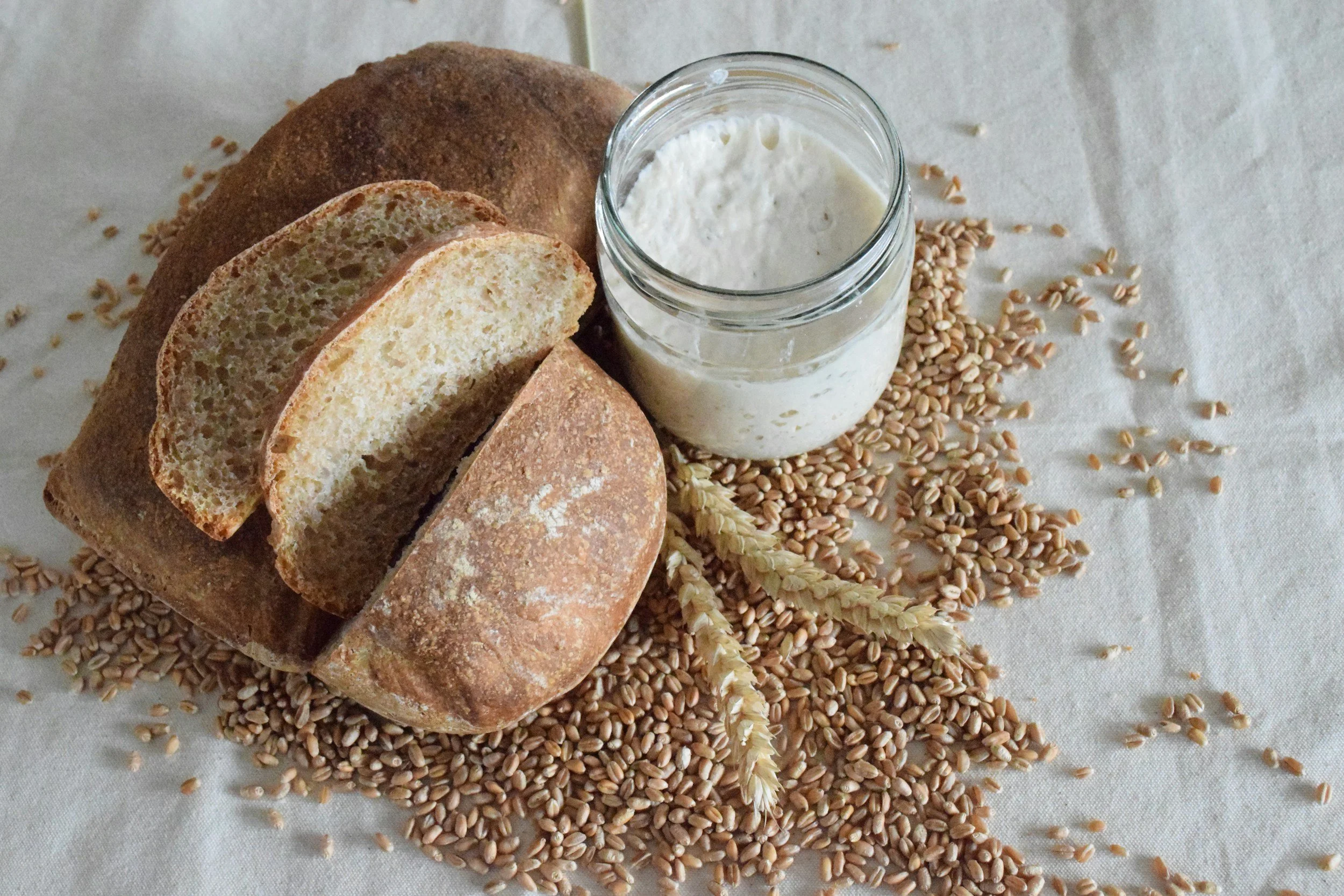
Traditional sourdough requires only three simple ingredients: flour, water, and time. Its unique flavor, airy structure, and long shelf life come from a sourdough starter—a live culture of wild yeast and wild Lactobacillus (lactic acid) bacteria coexisting in symbiotic balance.
How Sourdough Becomes "Low Gluten" & Highly Digestible
For individuals with mild-to-moderate non-celiac gluten sensitivity, sourdough is often far easier to tolerate than standard commercial bread.
Gluten Pre-Digestion: During extended fermentation (often 12 to 24 hours), the lactic acid bacteria and yeast break down complex proteins. Endogenous enzymes (proteases) activated by the acidic environment hydrolyze large, tough gluten protein networks into smaller, easily digestable amino acids and peptide fragments.
Neutralization of Phytic Acid: Grains naturally contain phytic acid ("anti-nutrients"), which binds essential minerals and impairs digestion. The acidic environment created by sourdough bacteria activates phytase enzymes, breaking down phytic acid by up to 90% and freeing up bound minerals.
Reduction of FODMAPs: Sourdough fermentation breaks down fermentable oligosaccharides (FODMAPs)—specifically fructans—which are frequently the true culprit behind bloating and IBS symptoms often misattributed strictly to gluten.
(Note: Sourdough made from wheat flour is not safe for individuals with Celiac disease, as trace gluten remains.)
Key Health & Nutritional Benefits:
Enhanced Nutrient Bioavailability: Lower phytic acid levels mean your body can easily absorb key minerals, including iron, zinc, magnesium, calcium, and B vitamins.
Lower Glycemic Index (GI): The organic acids produced during fermentation slow the rate at which stomach content empties and delay carbohydrate absorption, preventing sharp blood sugar spikes.
Improved Gut Health: Although baking kills live probiotic cultures, the process creates prebiotics (soluble fibers and resistant starches) that feed your beneficial gut microbiome.
Natural Shelf Life: The natural lactic acid lowers the bread's pH, inhibiting mold growth naturally without artificial preservatives or additives.